
We have all probably heard the saying ‘mad as a March hare’, but who knows where it comes from?
The phrase comes from the hare’s behaviour during the March breeding season and it can be used to describe people or other animals that may be considered a little odd in their behaviour.

The sort of behaviour you might see includes long chases and energetic boxing matches. This ‘mad’ behaviour is actually the courting behaviour of mating hares. The boxing was commonly thought to be between two males battling over the favour of a female however they are more likely to be an unresponsive female fighting off a male’s advances.
How can you tell a rabbit from a hare?
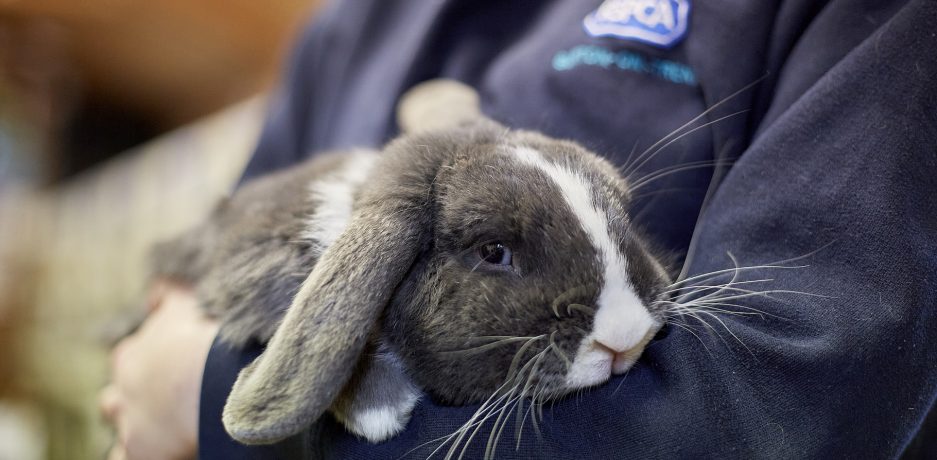
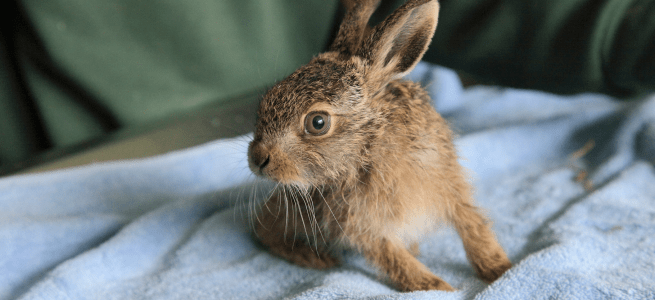
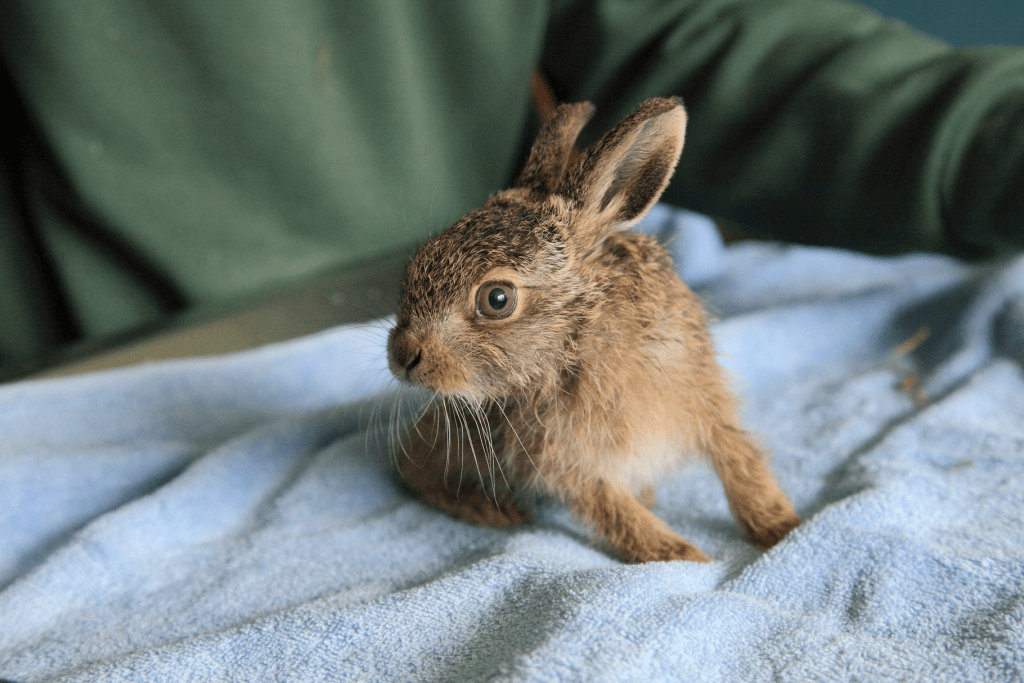
Rabbits are generally smaller than hares (often half the size when fully grown). As well as being larger than rabbits, hares have much longer ears (which are black-tipped) as well as longer, more powerful hind legs.
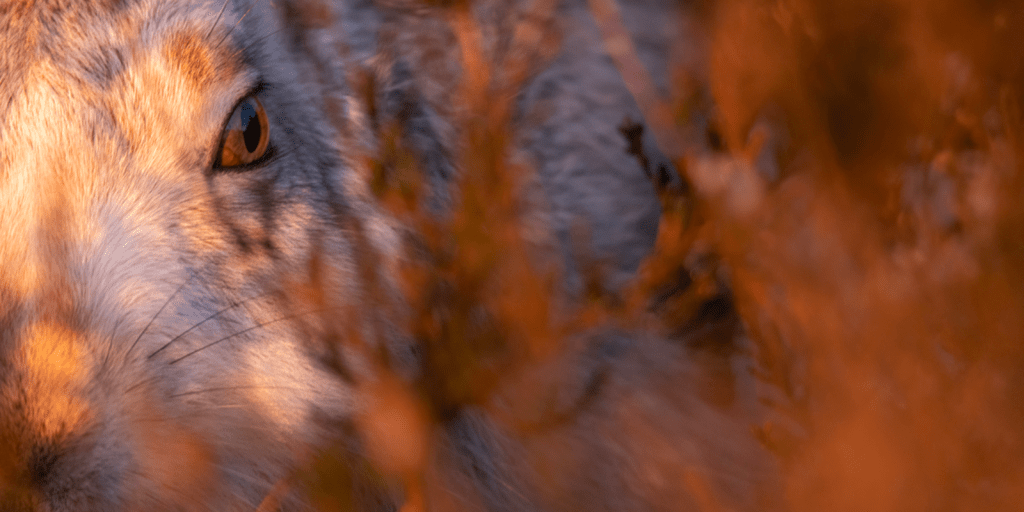
The mountain hare’s coat will also change to a pale grey or white during the winter (dependent on temperature).
Main differences:
Nostrils: Whilst rabbits have beige fur and pink skin around the nostrils, hares have dark fur and black skin. Ears and legs: Hares have black substantially covering the tops of their ears and have much longer ears and legs than rabbits. Rabbits are born helpless, hairless and blind; they stay in the warren until able to look after themselves. Hares are born precocial, meaning they are mobile, fully furred and with eyes open. They are not born in a burrow but left by their mother in the open, in shallow hollow called a scrape.
Hare Coursing
Unfortunately hare coursing has long been a problem for farmers and landowners across the British countryside. Gangs will usually trespass to find hares and then set their sighthounds – usually greyhound and lurcher types – to pursue the hare. They’ll place bets on whether the dog will catch and kill the hare or whether the fleeing animal will escape.
Participating in, attending, or permitting hare coursing to take place on land is illegal under the Hunting Act 2004. There may also be other offences involved and anyone witnessing hare coursing taking place is advised not to approach the participants but to phone the police immediately on 101 – or 999 in an emergency.
Hares are happily abundant in the UK and particularly so in East Anglia. Visiting the Norfolk Broads at this time of year gives a wonderful opportunity to spot boxing hares.
Look out for next months’ featured British wildlife species. Enter your email address below to receive all of our blog posts straight to your inbox.

 RSPCA South London - For Every Kind Of Creature