

It is National Marine Week at the moment, a time to reflect on our wonderfully diverse marine wildlife and what we should do to protect it. More of that later.

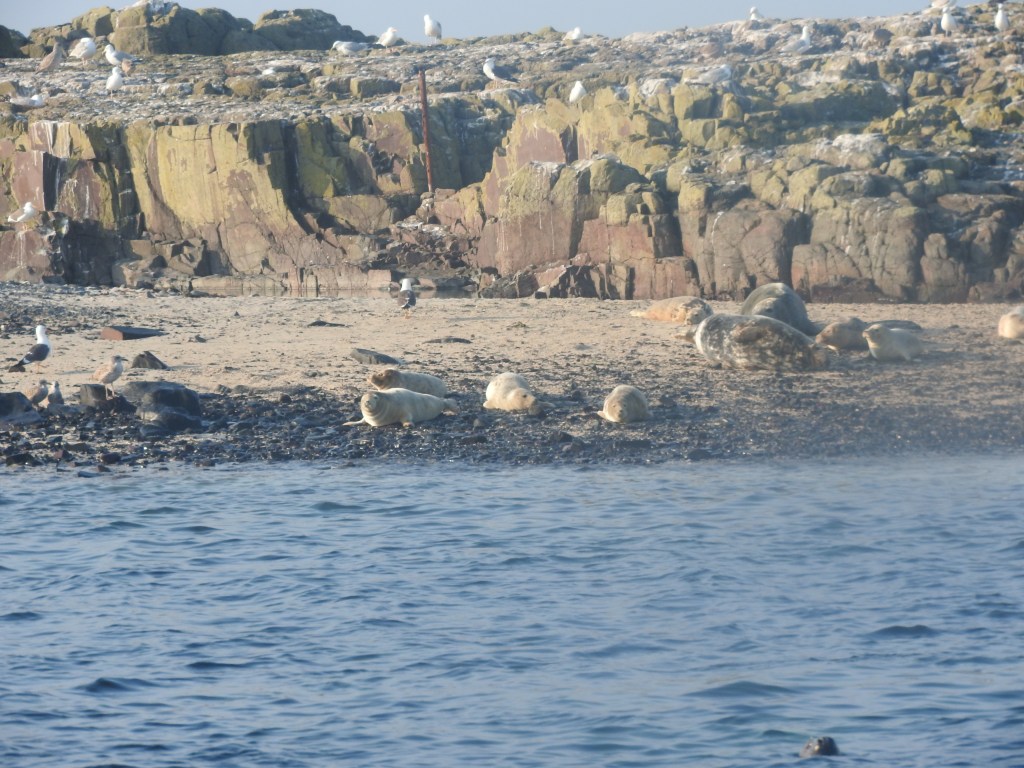
Grey and harbour (or common) seals can be seen all year round largely on the northern coasts of the UK. To the untrained eye, telling the difference between a grey and a harbour seal can be quite difficult. Other Arctic seal species are occasionally sighted including harp, hooded, bearded and ringed seals, and even walruses.
Grey seals are the larger of the two species. Adult greys are around 1.8 to 2.1m long, while adult harbour are 1.3 to 1.7m.
When viewed in profile, grey seals have much flatter noses than harbour seals, whose faces are more dished Grey seals’ eyes are located midway between the nose and the back of the head; harbour seals’ eyes (and mouths) are very much on the front of the face, closer to the nose.
Marine Life Welfare
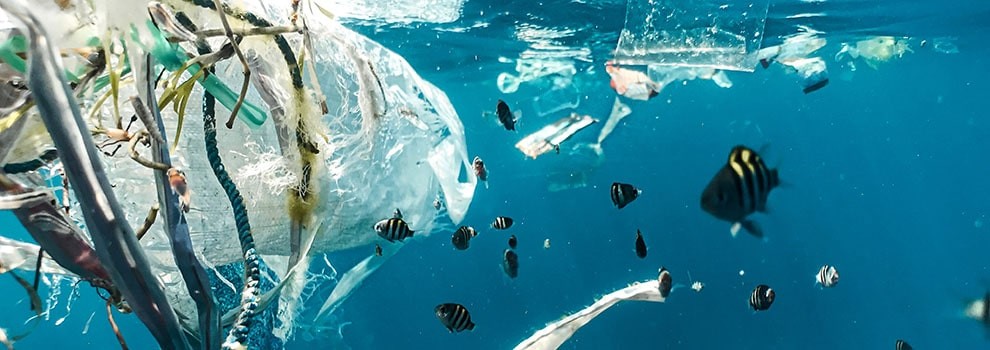
The biggest threat to our marine life is discarded plastic, and also less commonly known, cigarette butts. Both take many years to break down and sadly cause poisoning and injury or death. So much as a crisp packet or the ring from a plastic bottle can find it’s way into the sea if tossed away on dry land.
Such an example is a seal named Mrs Vicar, who was found with a plastic ring cutting into her neck. The ring had been stuck for at least two years. As the seal grew so the ring became tighter around her neck. After three months of rehabilitation with the RSPCA East Winch Branch she was happily released back into the wild.
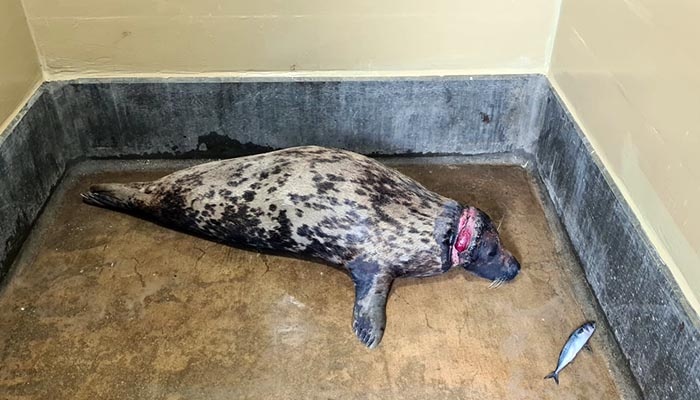
Mrs Vicar will have suffered greatly through a simple act of carelessness. Sadly, many other marine creatures can not be saved, plus there is untold internal damage caused by ingesting plastic particles and cigarette butts.
How can you help? Firstly by being responsible with never discarding rubbish, and encouraging everybody you know to be the same. Secondly you could help clean up our beeches. Organise a beech litter pick with family and friends. You might even find some treasure!
If you do not live near the seaside, you could also do the same in the countryside or your local park.
The RSPCA at East Winch on the Norfolk Coast specialise in rescuing and rehabilitating marine life. You can see a video of a day in their life here and can catch their Facebook site here.
The RSPCA launched a campaign in 2021 about protecting our coastal animals and birds. The advice remains good forever and can be viewed here.
The latest danger to emerge has been the increasingly popular vape. Those are considered throwaway items but if discarded irresponsibly they can cause toxic poisoning and even fire. Read about the dangers here.

Thankfully from October the UK government are banning the sale of certain single use plastics.
From 1st October 2023, English retailers will not be able supply, sell or offer the following single-use plastic items: plates, trays, bowls, cutlery, balloon sticks and certain types of polystyrene cups & food containers.
The rules can be read here. Local authorities will be making inspections and potentially issuing fines. If you suspect a retailer of flouting the law, you can report this to your local Trading Standards Authority.
This is a step in the right direction but does not go far enough in our opinion. You can help by never buying single use plastic items of any description, or at least recycling responsibly if you do.

 RSPCA South London - For Every Kind Of Creature