
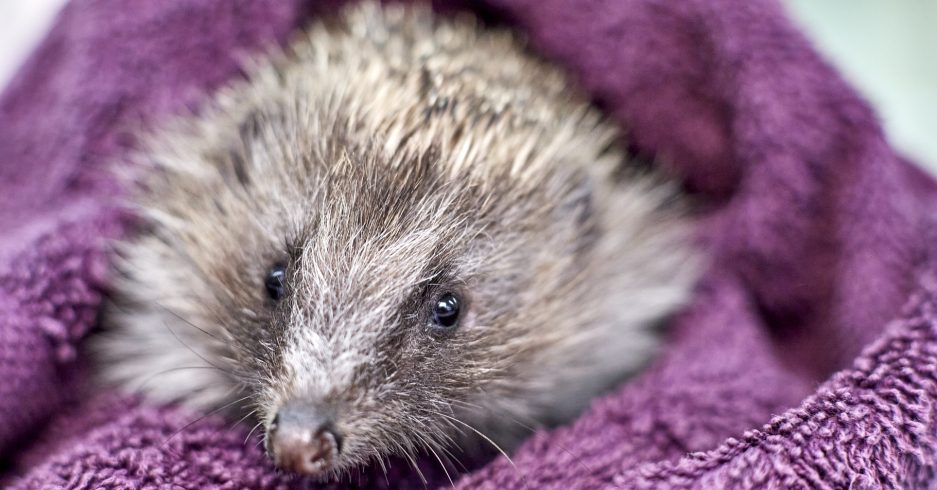

According to BBC Wildlife Magazine there are five types of frog found in the UK – Common, Pool, Marsh, Edible & Bull. They belong to the amphibian genus, and have been around for a long time – they were the first back-boned animals to walk the Earth.
As it’s name suggests, the one you are most likely to see is the common frog. They are generally a shade of olive-green or brown, with a dark patch behind the eyes. Frogs often have bands of darker striping on the back legs.
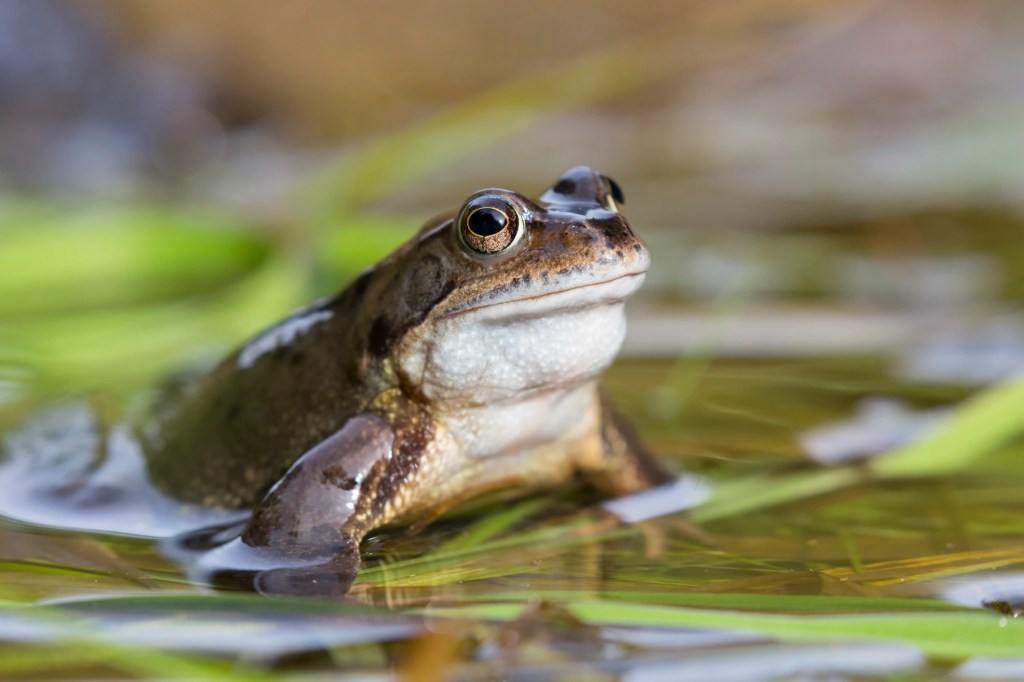
The pool frog is one of our most endangered amphibians. The last remaining pool frog colony in Norfolk was considered officially extinct by 1995.
Happily, in the mid-2000s, a team of conservationists led by Amphibian and Reptile Conservation and Natural England reintroduced pool frogs to England so if you are really lucky you may see one.
Pool frogs are predominantly brown in colour with darker blotches, and a light yellow or green stripe along the back.They are similar in size to common frogs, and as with that species, male pool frogs are slightly smaller than females.
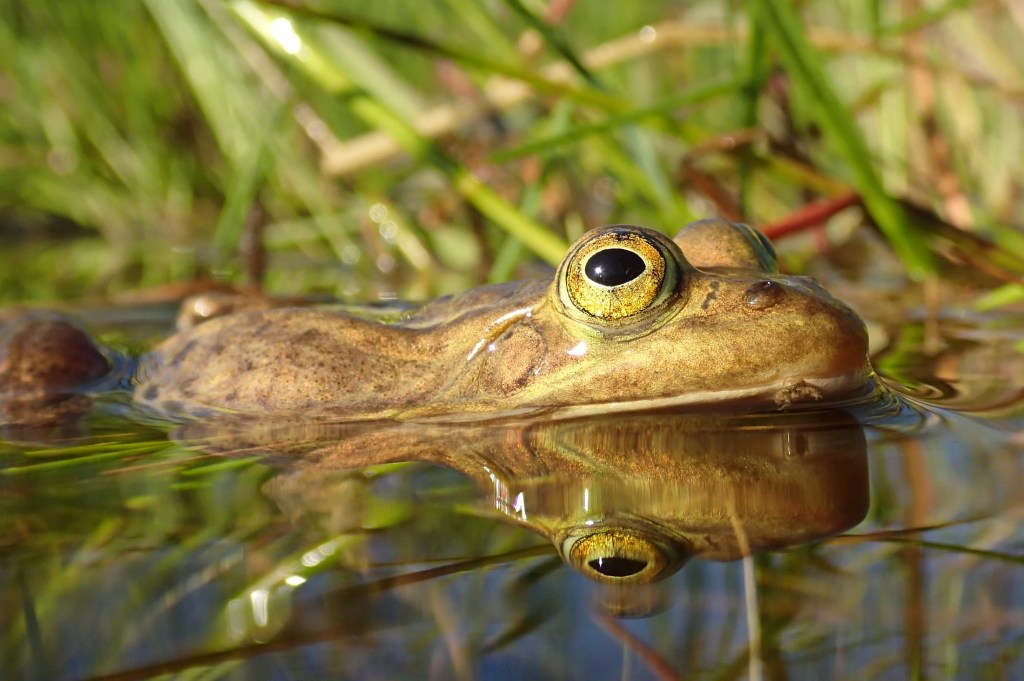
As their name suggests, marsh frogs prefer marsh habitats and are resilient to brackish water making them suitably adapted for salt marshes. They’re also highly adaptable and bask in the sun, so may be seen along agricultural irrigation ditches or other similar linear features.
Marsh frogs are Europe’s largest native frog species, however they are not native to the UK. They were introduced to the UK during the last century. Marsh frogs are now predominantly found in south-east England.
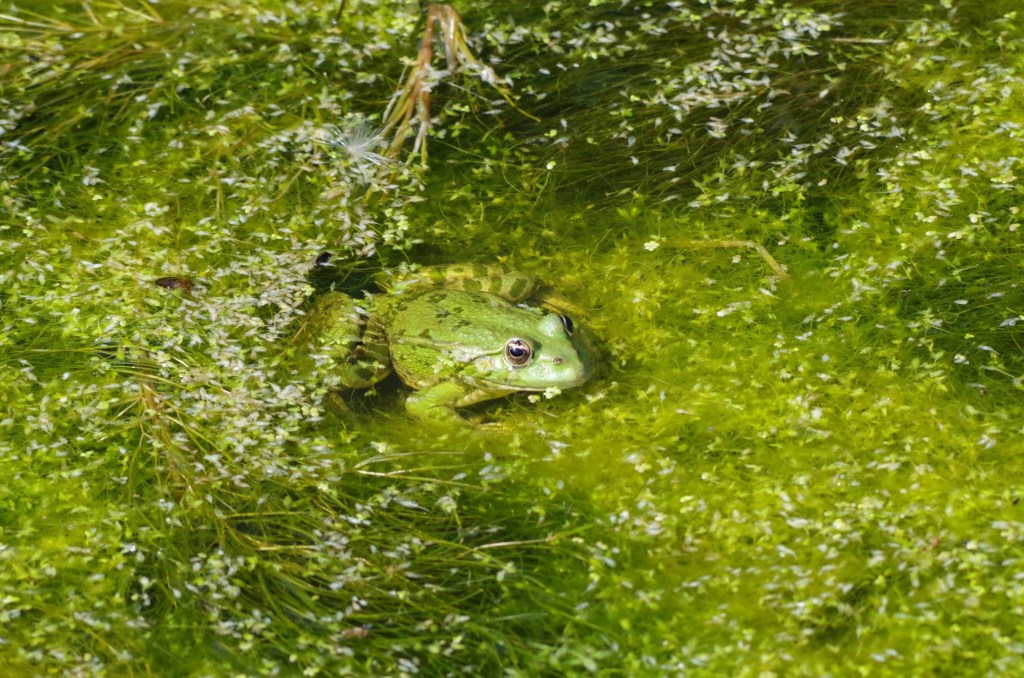
The edible frog is a naturally occurring fertile hybrid of the pool and marsh frog, which reproduces via hybridogenesis. It was introduced in southern England, and can now be found in East Anglia and south-eastern England.
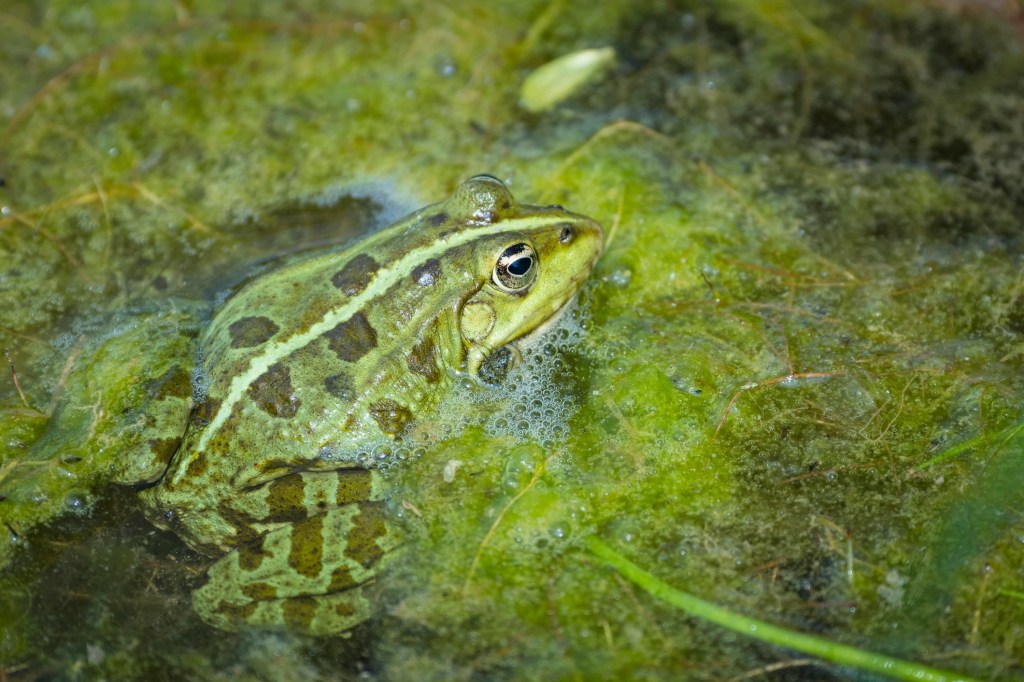
Last but not least the bull frog. It is not indigenous to the UK but they have been introduced in some areas. The bull frog grows up to 25cm in length, and the call of the males is unmistakable. They are actually a threat to our smaller frogs due to their dominant size, so hopefully there are not too many about.
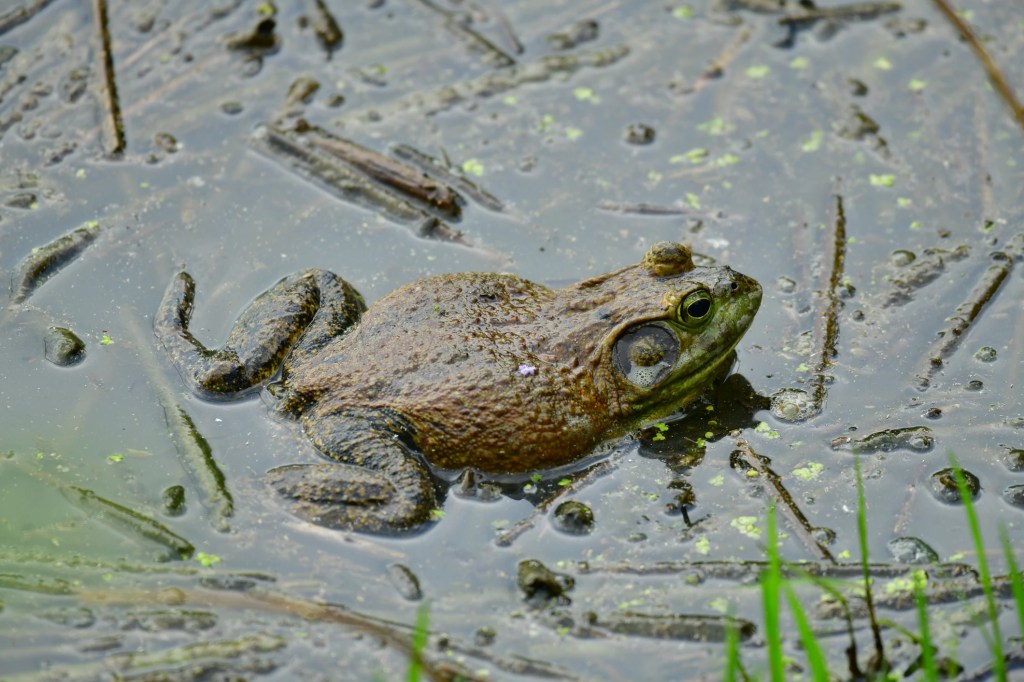
All of the above images are from Discover Wildlife’s website.
Helping Amphibians Thrive
You do not need a huge space to help our frogs, toads & newts. You can create a pond with a large bucket, whilst any shaded water container may attract some. We often see frogs & toads happily living in a water trough in a greenhouse shaded by tomato or courgette plants. Great for keeping bug & slug populations down too!
The RSPCA gives some great advice on how to create a small pond, which you can access HERE. A key element is to place bricks or stones in the pond so that amphibians can easily get in or out. It’s also a good idea to cover the pond with wire mesh to stop leaves clogging it up. Just remember to cut a hole big enough for Mr Frog to enter his new home.
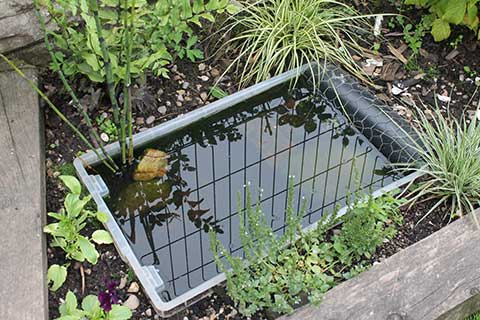

 RSPCA South London - For Every Kind Of Creature