
Just one of the ways we are helping animals in your local area.
Our Animal Welfare Officer has been working in your local South London community to deal with the growing number of feral and street cats. Trap-neuter-release (TNR) is a scheme run by charities like us to tackle this issue, by trapping them, getting them neutered and checked thoroughly by the vet. They are then re-released, as long as they and the environment is healthy for them of course.
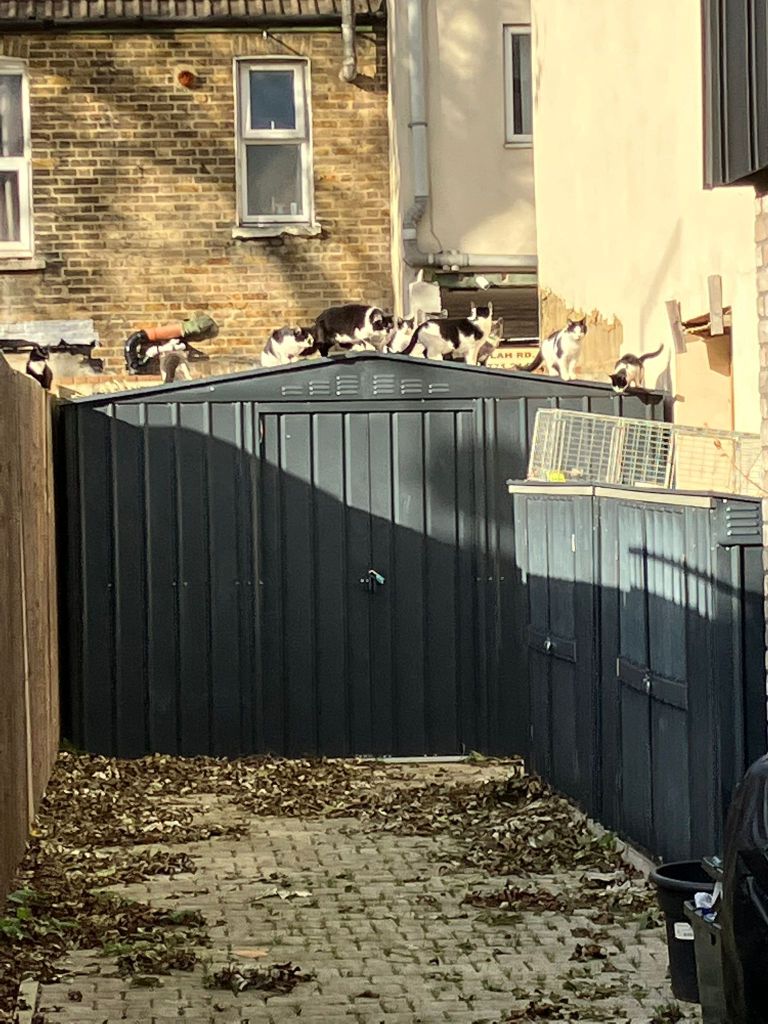
You can see here a group of 12 street cats in the Croydon area we helped recently who were living in a secluded area between the flats and businesses and away from busy roads. We were alerted to the situation by a local resident who has spent the last couple of years feeding and getting to know the ever-growing family, but has become concerned that their numbers might grow too large during the coming spring.
Although many people consider the street-cat life to be cruel, leading cat research organisations – such as International Cat Care – are looking much more closely at supporting alternative lifestyles for cats who have grown up in different environments. Trap-neuter-release programmes help these cat colonies from becoming too large so that they can more easily avoid welfare issues such as disease or starvation from overcrowding.
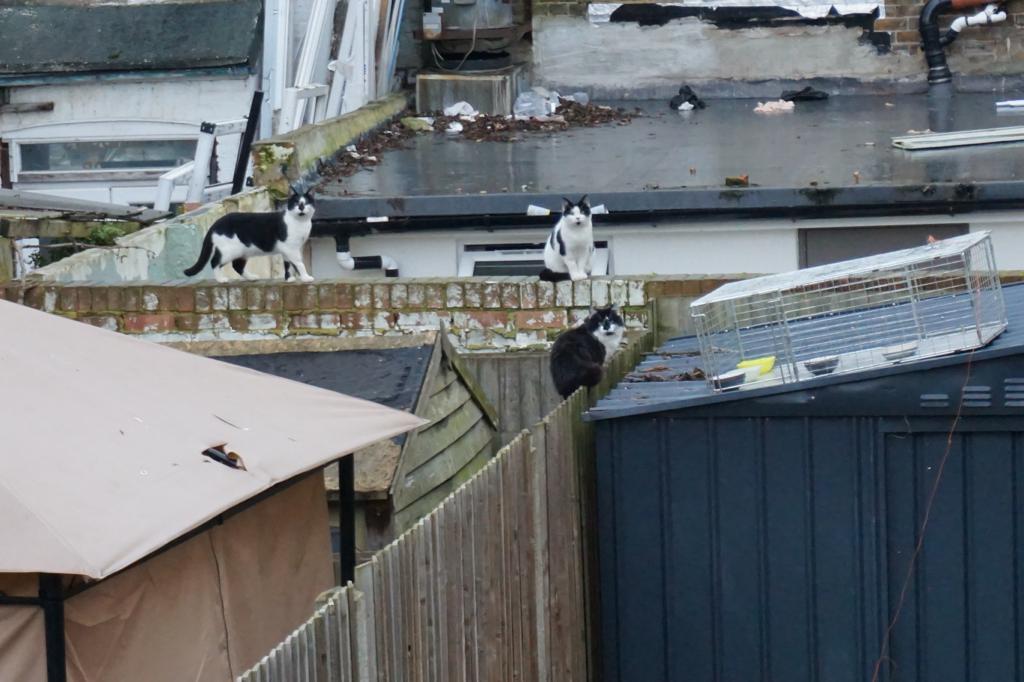

As long as they seem to be thriving in their current lifestyle, it is in their best interest to continue their life as they have come to know it rather than attempting to move them to a new place where they no longer have any social ties.
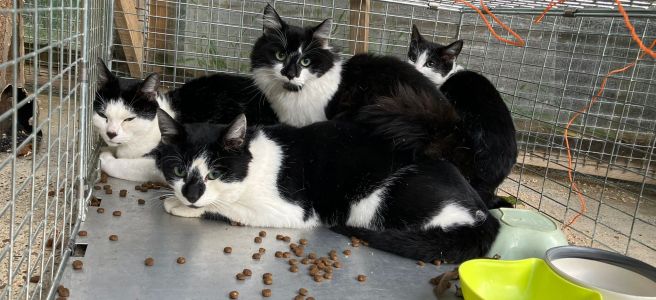
To tackle this large group, we borrowed a family cat trap from our generous neighbouring branch – RSPCA Wimbledon and Sutton Branch . The cats spend a couple of weeks being fed inside the cage with the doors open so they get used to it. The most difficult part of TNR is getting them neutered as quickly as possible to reduce the number of days they spend in our care. The longer it takes, the harder it can be to rebuild their social structures. We work closely with our vets to. complete the procedure as quickly as possible
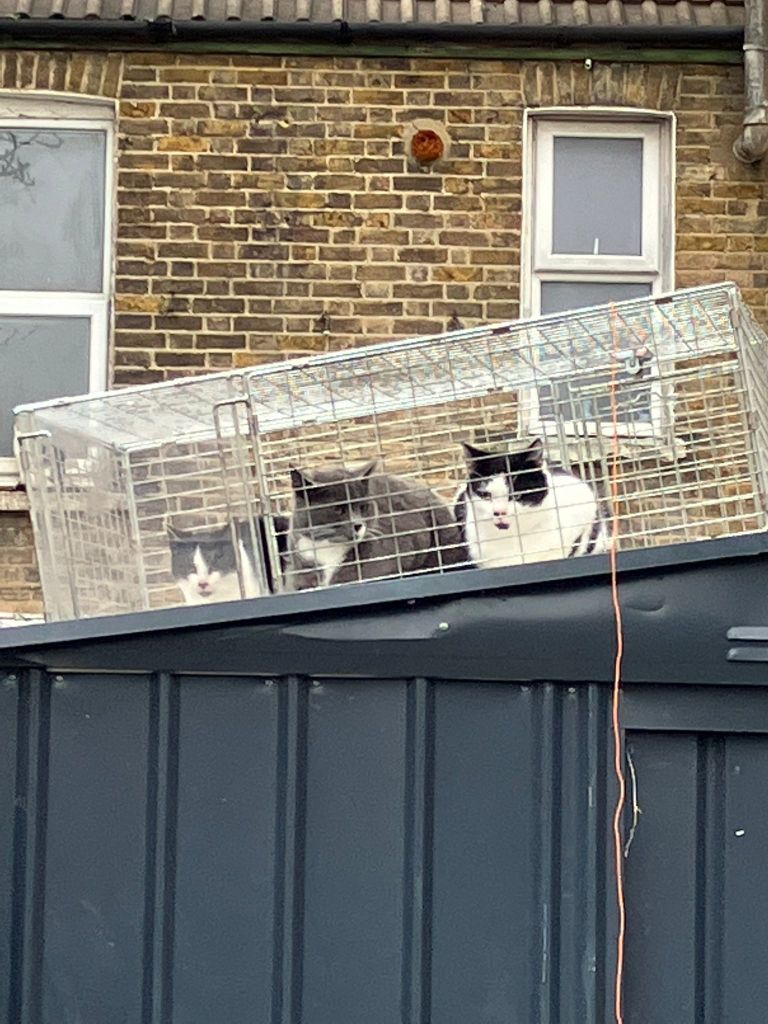
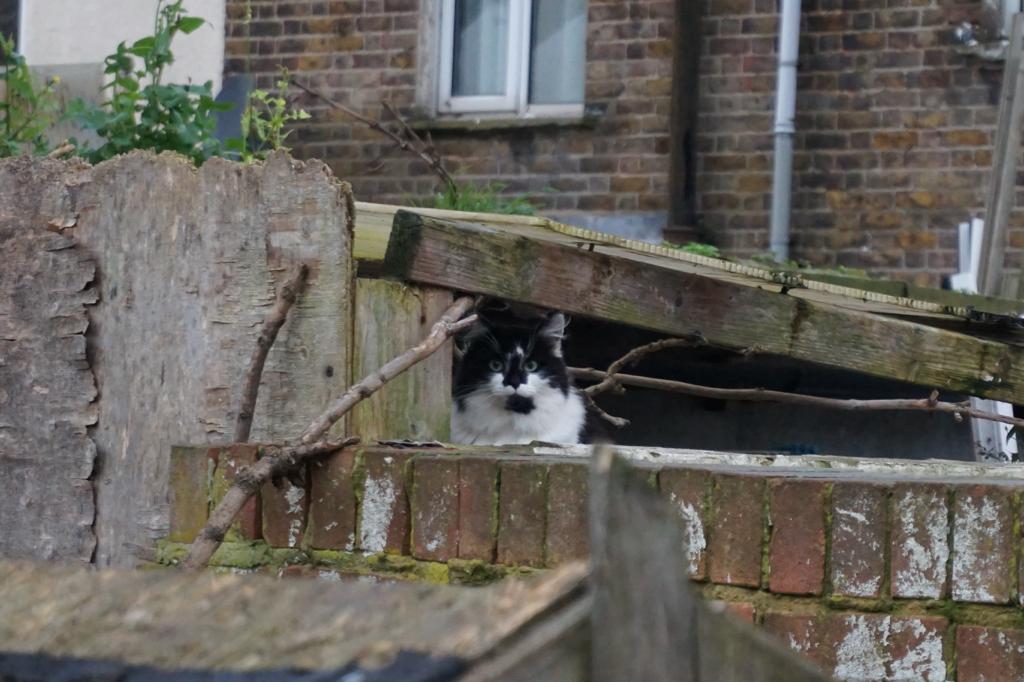
Another difficulty with trapping large families, is that once they see the trap mechanism go off, they are very likely to not want to eat out of it again. Quite surprisingly however, we have heard recently that every single family member has been back eating out of the trap, which is a really lovely sign as it is important to avoid disrupting their lifestyle too much.
This also means that the locals can keep an eye out for any concerning health issues so we can come back and easily trap them again.
To support programs like this you can donate here, or find out more about our great work and subscribe to see more blogs as we post them here.

 RSPCA South London - For Every Kind Of Creature