
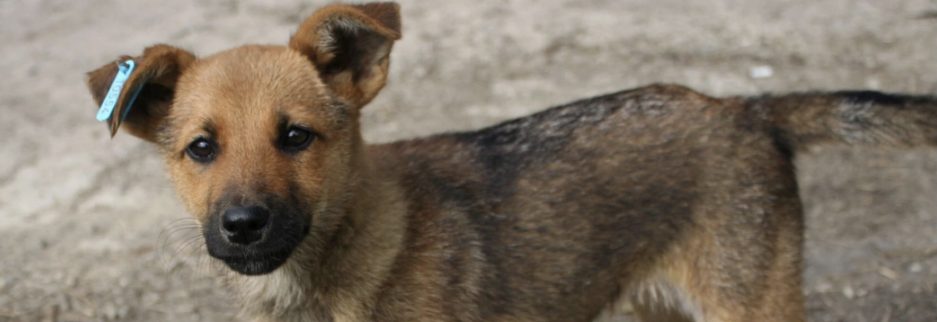

If David Attenborough’s Blue Planet showed us anything it’s the devastating effects of plastic on wildlife. Dropped litter is undeniably all around us.
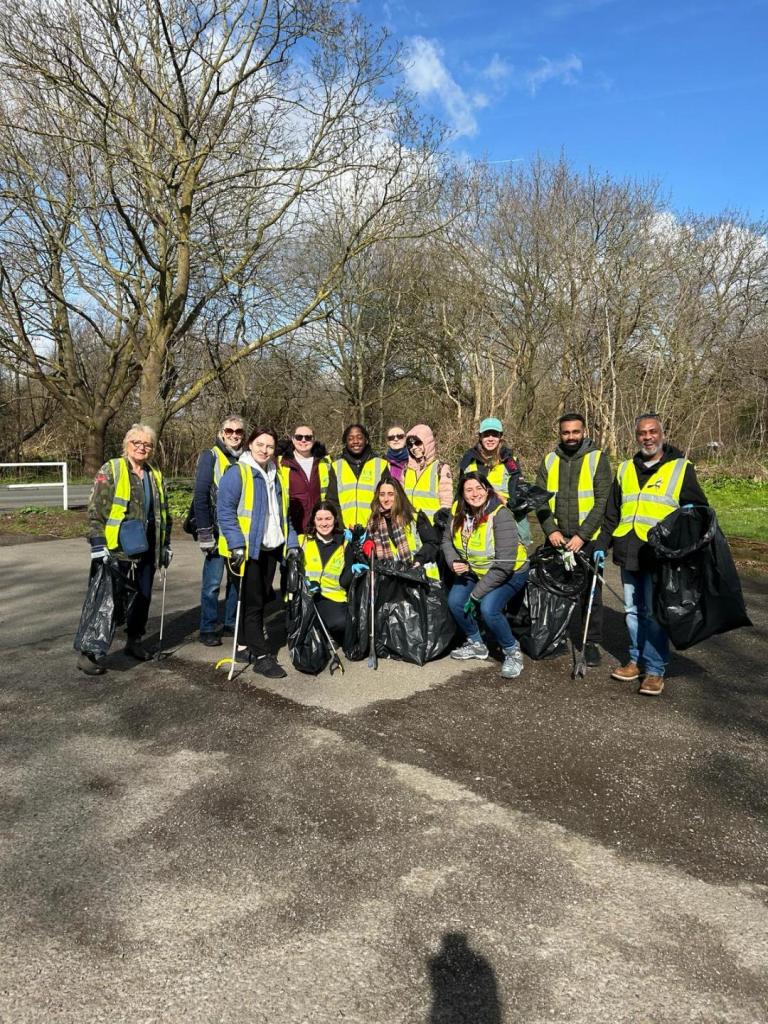
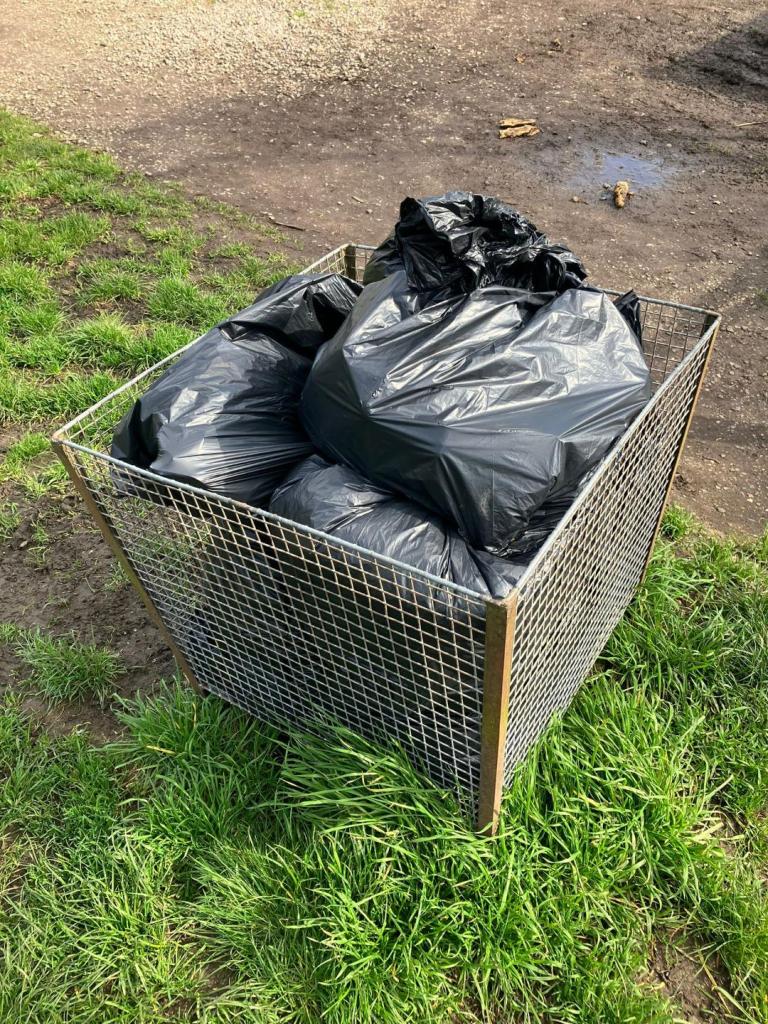
That’s why our recent litter pick as part of the Great British Spring Clean was so heartwarming. In just an hour we collected 25 bags of rubbish in total on Mitcham Common. A huge thanks to everyone who joined! We heard that of all sorts of interesting items being collected around the UK including a crisp packet that had been discarded some 25 years ago!! Quite shocking that it had been there all that time isn’t it.

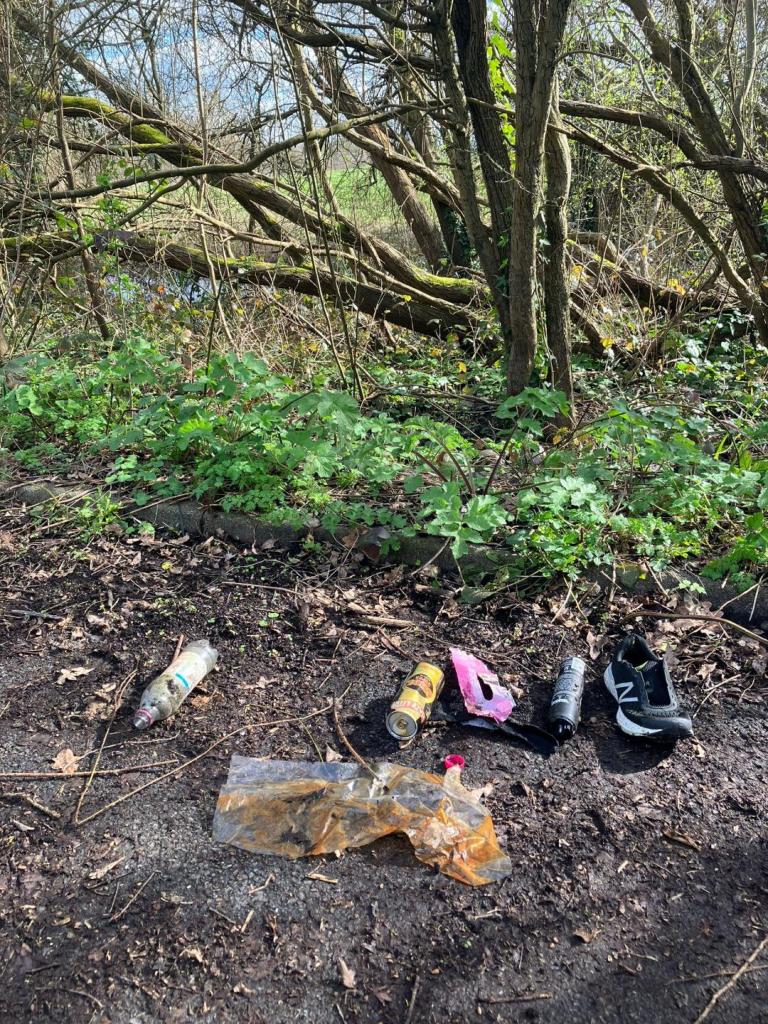
As you can imagine everyday litter can be detrimental to animals. We receive, on average, 10 calls a day about animals affected by litter, and as we head to the summer months this is likely to spike.
Here’s our top 5 plastic items that can harm animals and how to best approach their disposal.
1. Containers and cans
Animals looking for food can get trapped in cans or injured by sharp edges.
What can you do: To prevent harm to animals:
- Clean and empty cans/tubs after use
- Pinch cans shut
- Cut containers in half before recycling where possible
2. Vapes
5 million disposable vapes are thrown away weekly in the UK. That’s a staggering amount! This type of litter is polluting the environment and placing wildlife at risk. These should not be put in the general waste to dispose of. Vapes can be a choking hazard to wildlife unless thrown away properly.
What can you do: Find out more on the correct disposal of vapes and protect our wildlife.
3. Plastic bags
Animals can suffocate when they climb inside plastic bags and they can choke if attempt to eat them.
What can you do: Simply tying a knot in the top of plastic bags before recycling can help prevent deaths.
4. Plastic can holders
Animals can also get entangled in plastic can holders and suffer deep wounds.
What can you do: Always cut the loops before recycling.
5. Balloons
Would you believe that balloons and discarded decorations are a choking hazard for animals as they can be attracted to eat them. Balloon releases are also very threatening to wildlife. Even biodegradable balloons could still take weeks to degrade. Remember it only takes a second or two for an animal to swallow a balloon fragment.
What can you do: Always deflate balloons and cut them up before putting them safely into your bin. It’s really that simple!
Get more tips and tricks to support animals in your community by signing up to our newsletter, and share this article with someone who would find interesting.

 RSPCA South London - For Every Kind Of Creature