


Cats are known for sleeping more and moving less, but they still need exercise. We’ve noticed a growing trend in taking your feline friend out on a lead, in a similar way to your pet dog. There is such a variety of harnesses available on the market [as noticed at our recent PAH fundraising event].
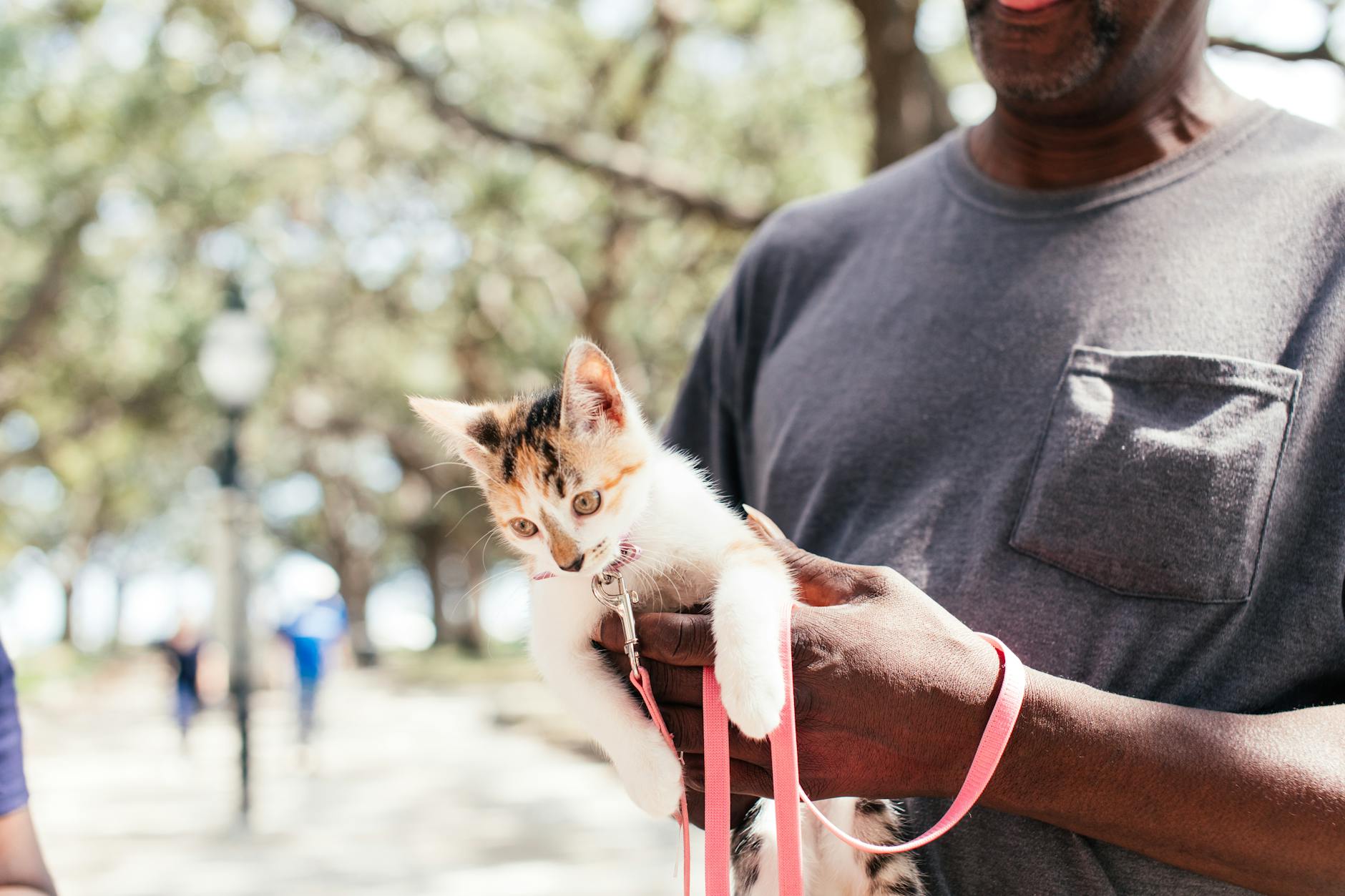
There are many reasons why as a general rule of thumb the RSPCA would advise against this as a way of maintaining your cats physical and mental health.
“A healthy environment for your cat should include a variety of opportunities to create an environment for mental stimulation as well as encourage movement physically” advises our South London Animal Welfare Officer Cheska. “Most cats won’t take to being out on a lead as it restricts their freedom and they generally don’t like to be restrained.
Here are 6 reasons why taking cats out on a lead won’t suit most cats:
1. Cats are territorial. Cats feel safest in their own familiar surroundings. Taking them on a walk somewhere they’ve never been before may be terrifying for them. Especially if they don’t have the option to flee to their house if they get nervous or afraid
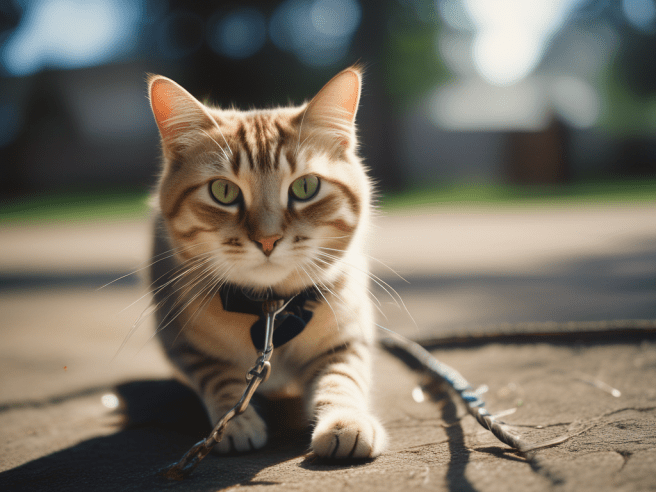
2. Cats do not enjoy being constrained. If you’ve ever tried to hold your cat while hand-feeding medicine or putting them in a cat carrier for a vet appointment, you’ll know that most cats dislike being confined against their will. Particularly over lengthy periods of time. Getting them into a harness is likely to be stressful for them.
3. Cats enjoy having a choice. Cats are extremely independent creatures. They like the freedom to wander where they choose and flee from danger if they feel threatened. Being led on a harness and lead will eliminate this option and make them feel worried.
4. They could get lost. If your cat becomes afraid while on a walk and you unintentionally drop the leash or they escape from their harness, they will most likely run away. If they are in new area, they may go out onto the road and risk being struck by a vehicle. Alternatively, they may struggle to find their way home.
5. Cats require privacy when using the toilet. Cats, unlike dogs, require a calm, secluded, and familiar area when using the toilet. If they are restrained by a harness and lead, they will be unable to move when they need to.
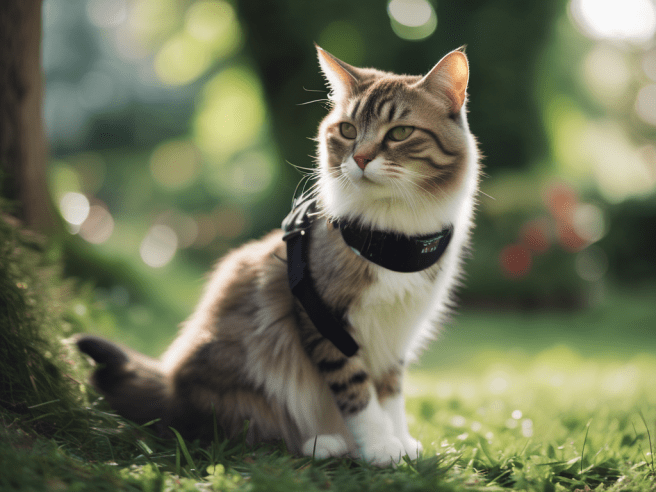
6. They could encounter dogs. While out on a walk, your cat may come across dogs or other creatures that they generally avoid. Some dogs could even try to pursue your cat. If your cat is on a leash, they will be unable to flee to safety, making them feel very vulnerable.
If this is something you would like to try with your cat do talk to an expert like your local vet or a cat behaviourist should you happen to know one.
Keep in touch and subscribe to get all our articles for you animals in the South London area!

 RSPCA South London - For Every Kind Of Creature
One thought on “Cats Taking The Lead”