

Many of us at your South London RSPCA have been inspired by the recent Olympics and paralympics to get moving. However, our fury [and non-fury] friends also need regular exercise to stay happy and healthy. It helps pets maintain a healthy weight, build muscle, and improve their cardiovascular health. It also helps them burn excess calories and maintain a healthy metabolism. Lack of exercise can lead to obesity [yes animals can put on too much weight too], which can increase the risk of health problems like diabetes, heart disease, and joint problems. It’s also great for the mental health.
Cats
Cats are known for sleeping more and moving less, but they still need exercise. We are increasingly coming across pet owners who take their cat out on a lead, and while this can be done safely if introduced in the right way, we generally advise against this.
Birds
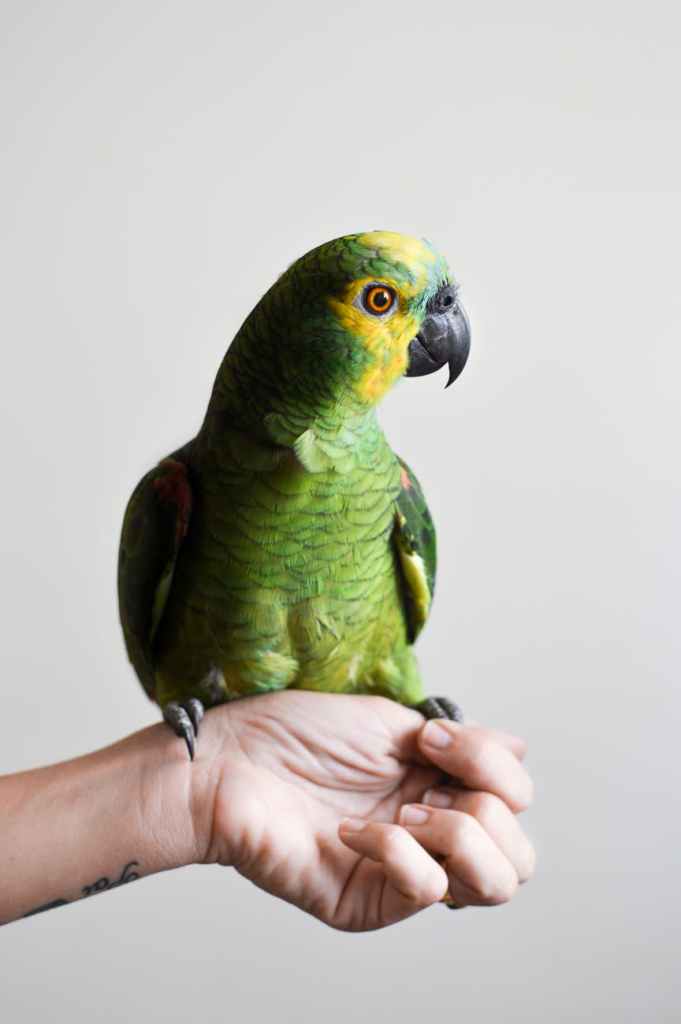
If you keep birds as pets then you probably have a big space for them to fly around, as they need to be able to fly freely every day. They also need opportunities to forage for food, like they would in the wild. Giving them smaller meals more often with an opportunity to forage for food can mimic their conditions outside of being a pet, or even frozen food blocks can give them an opportunity to chop away at their reward. There are many ways you can keep them busy and here are just a few suggestions [click here]
Dogs
It’s well known that dogs thrive on exercise, and the amount will depend on various factors such as breed and age. Puppies have more energy than older dogs, but their energy comes out in shorter bursts multiple times a day. As dogs get older, you can do longer exercises with them less often. Walking is generally the best exercise for dogs, and regular outdoor play periods can help with excessive barking or whining. Some dog breeds, like the Bichon Frise, Chinese Crested, and Griffon Bruxellois, don’t need as much exercise as others.
Rats
There are many ways to play with and exercise your pet rat. Rats need at least an hour of playtime outside their cage per day in a safe, rat-proofed area. You can provide extra entertainment with boxes or tubing, and hiding food can increase exercise through foraging.
Reptiles
The best exercises for most reptiles are swimming and walking. This will depend of the type of reptile of course. Some like tortoises, box turtles and some land turtles aren’t good swimmers, so best not to try to swim them for exercise. Smaller reptiles will get adequate exercise within their cages, but larger herps often benefit from leash walking [iguanas can be good for this] or swimming in a larger pool if you have access to such facilities.
Rabbits
Rabbits are incredibly intelligent animals and love any play you can create and enrichment generally. There are many rabbit toys you can create or buy, and any opportunity for combining foraging is also very beneficial. Animals like rabbits, can safely explore your living room if you watch them carefully. You can also build a small, securely covered outside pen so they can enjoy some time in the sun and grass, as long as they’re protected from predators and your lawn hasn’t been treated with chemicals.

We work tirelessly to re-home animals in your South London area that are in need. If you’re looking for a new pet or want to support us we would love to hear from you.

 RSPCA South London - For Every Kind Of Creature