


Did you know that each year there is a defined kitten season? From around April to October we see the most pregnancies and families coming into our branch, and this can be down to a number of reasons. The warmth and availability of food encourages cats to roam and interact more, and the daylight hours can also influence unneutered female’s hormones.
Kitten season is when animal shelters and charities can struggle the most, and we see a massive uptake in phone calls asking for our help. As a small branch we can only ever accommodate a fraction of these kittens, so we’ve put together some advice to help you tackle kitten season as an owner or a bystander!
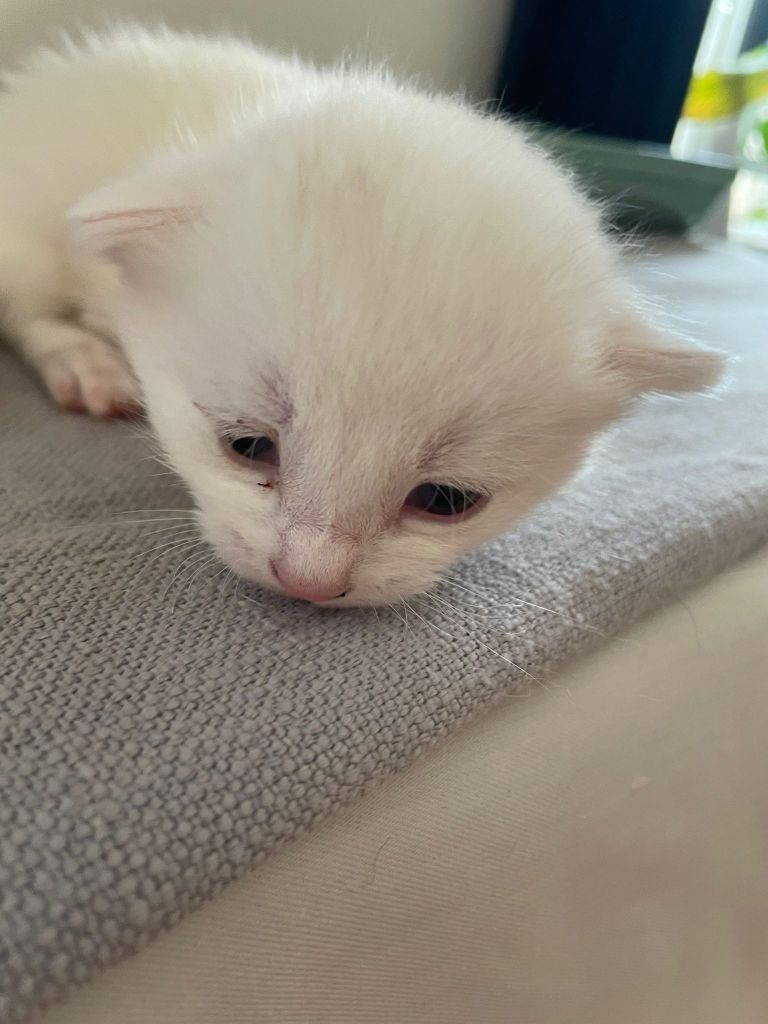
- Neuter Your Cats & Avoid Unwanted Litters
Ensure your own cats are neutered to help prevent contributing to the unwanted kitten population. Female cats can become pregnant as early as 4 months old, so it’s important to act early.
If your cat is due to have kittens, prepare to properly socialise them so they are adoptable, and make plans to get the kittens neutered when they’re old enough.
2. Community/Feral Cat Management
Identify local unowned cat hotspots ahead of time and look into TNR (Trap-Neuter-Release) programs. This helps reduce the number of unsocialised kittens born in the community and ensures healthier cat populations.
If you come across kittens this year but they already look older and unsocialised, consider contacting your local shelter to see if TNR can be used, allowing them to live in their familiar environment without contributing to overpopulation.
3. Handling Found Kittens
If you find kittens, be sure of their age before disturbing them. Kittens under 8 weeks old often require specific care and should not be moved unless absolutely necessary. If mum is absent, contact a rescue or foster care group for guidance.
If you decide to care for orphaned kittens, make sure you do your research. Different age groups require specific care, such as proper feeding schedules, formula, and socialisation techniques.
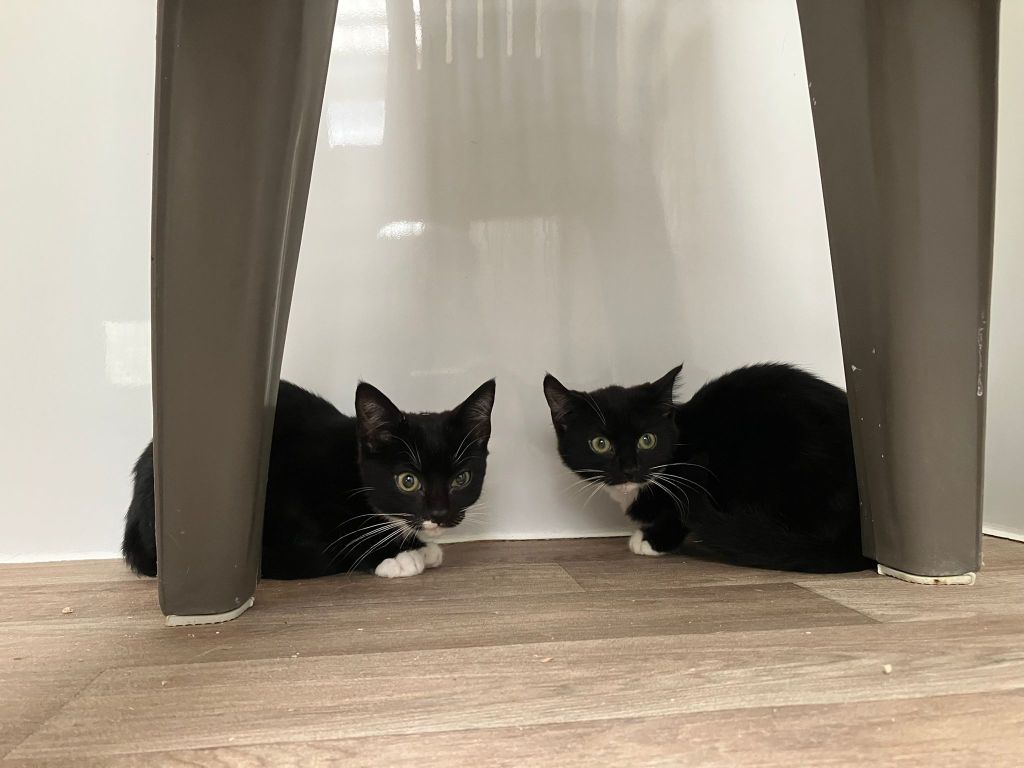
If you’re unsure about a kitten’s health, seek veterinary assistance immediately. Many charities offer financial aid or resources for those who need help affording care.
4. Care for Pregnant Cats
If your own cat is pregnant, provide a quiet, secure space for her to give birth. This will prevent her from giving birth outdoors and thus adding to the community cat population. Pet cats that give birth outside often lead to unsocialised kittens that are difficult to trap and rehome.
Keep your cat indoors after she gives birth until she can be spayed, unneutered females can become pregnant again shortly after having a litter.
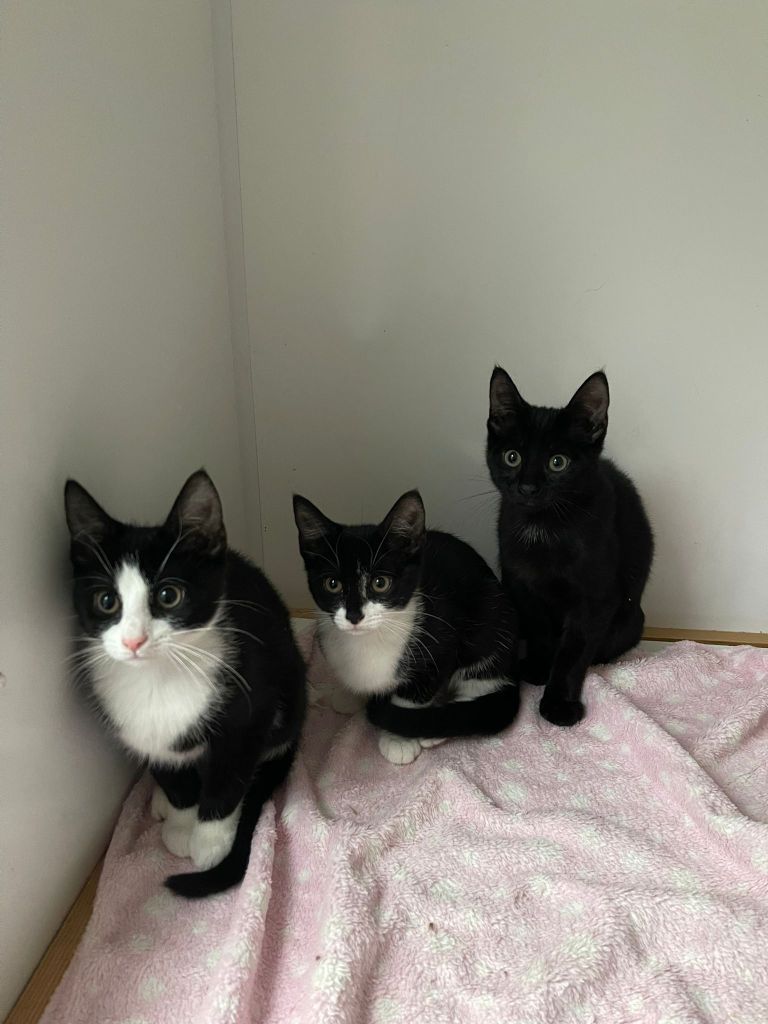
5. Rehoming Kittens
When rehoming kittens, always do a home check and ensure that the new owners appear sincere and can afford basic veterinary care, such as vaccinations, parasite control, and spaying/neutering.
The earlier kittens are socialised, the more likely they are to be well-adjusted to home life. Proper handling during the early weeks sets them up for success in their new homes.
6. Microchipping
As kitten season is the time of year where a lot of mothers and litters are picked up as ‘strays’, you should make sure your cats are microchipped ahead of time to make sure yours can be identified by the charity. It is now a legal requirement to have all owned cats over 20 weeks microchipped, however there are often free microchipping events held by charities throughout the year.
7. Shelter for kittens
Some kittens may be born in unsuitable places where they are not sheltered from harsh weather or from predators (e.g. foxes, birds). If you see kittens in an unsafe place, you may need to intervene sooner. Try to find or make them a safer shelter close by, minimise handling, and watch them from afar to make sure the mum is able – and still willing – to find them.

While we at the RSPCA South London Branch have very few available spaces for mums and kittens, we may be able to help in other ways. We do run a Trap-Neuter-Release program, and we may be able to help you with vet bills if you’re concerned about your found kittens health or you want to try get them neutered before rehoming.
Contact us at enquiries@rspcasouthlondon.org.uk for more information.

 RSPCA South London - For Every Kind Of Creature
One thought on “Are You Ready For Kitten Season?”