With rising temperatures, be cautious of blue-green algae in water sources, as it can be toxic to dogs, causing severe health issues. Always prioritize your pet's safety around such areas.
Category: British Wildlife
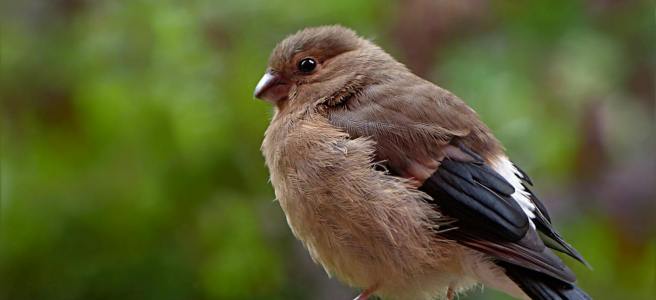
How To Tell If A Bird Is Sick Or Injured
A bird's natural instinct is to not show any sign of weakness, in order to help prevent it being targeted by predators. So it’s not always easy to tell if your pet bird or garden visitor is ill or not. By the time a bird begins to display symptoms of illness, it has likely been … Continue reading How To Tell If A Bird Is Sick Or Injured
Spring Watch! Use Your Garden To Help Eco-diversity & Animal Welfare
Garden trends are affecting some of the wildlife that typically visit, and in many areas causing a decline. However, even small changes can make a difference. Here are five easy ways to make your garden a haven for wildlife.
Join us on Saturday 16th March
Join us on Saturday 16th March on Mitcham Common, as we collaborate with Friends of Mitcham Common for a litter-pick of Mitcham Common.
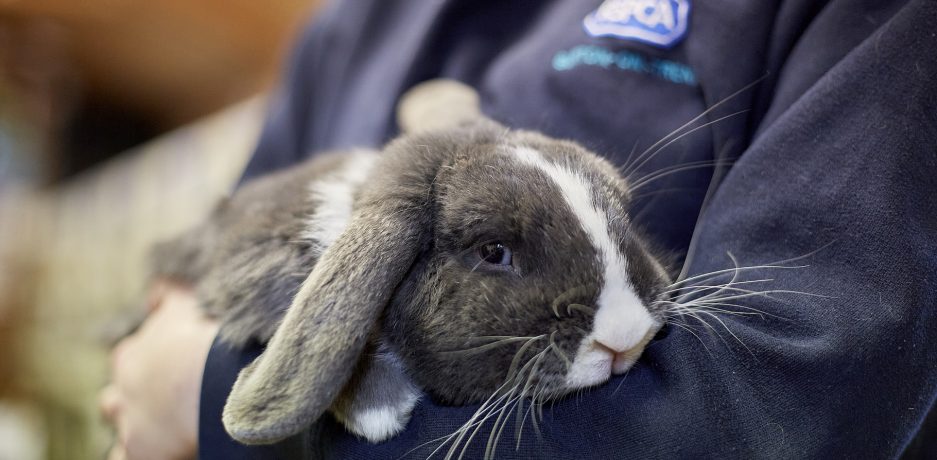
November British Wildlife of the Month – Small Creatures
We are talking about the likes of squirrels, hedgehogs, rabbits, rodents and pigeons here. Would you know what to do if you encountered a sick or injured small animal or bird? The RSPCA can help you to help small creatures in need and at the same time help us. Our inspectors are a finite resource … Continue reading November British Wildlife of the Month – Small Creatures
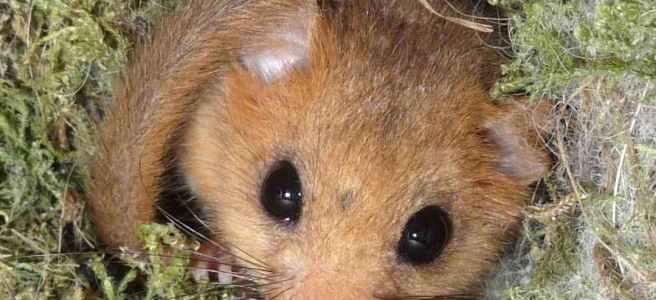
British Wildlife of the Month, September – Mice
You are very likely to see a mouse in your garden, outbuildings or even in your house. They are lightning quick and prefer to stay hidden away from humans and of course predatory cats. Often it’s the signs of their existence that you see rather than the mice themselves - chewed cardboard, pinched bird food, … Continue reading British Wildlife of the Month, September – Mice
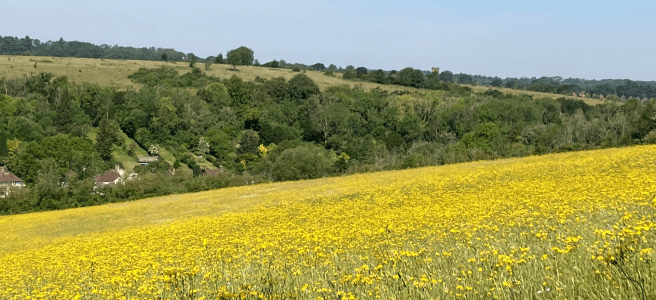
Rewilding South London
Unfortunately the UK is one of the world’s worst faring countries for paucity of wildlife. We have falling numbers of just about every species due to disappearing habitat, reductions to the food chain, agricultural intensification and increasing pollution. According to the World Wide Fund For Nature (WWF) 1 in 7 of our native species face … Continue reading Rewilding South London
Attracting Garden Wildlife
Everybody loves a garden pond, but you need a big garden, right? Well no you do not actually. Any waterproof container will suffice to include a pond in your garden. We made one last year and have attracted frogs, newts, dragonflies, water boatmen and aquatic snails amongst others. Here’s how to do it yourself. Acquire … Continue reading Attracting Garden Wildlife
British Wildlife Animal Of The Month – Frog
According to BBC Wildlife Magazine there are five types of frog found in the UK - Common, Pool, Marsh, Edible & Bull. They belong to the amphibian genus, and have been around for a long time – they were the first back-boned animals to walk the Earth. As it’s name suggests, the one you are … Continue reading British Wildlife Animal Of The Month – Frog
British Wildlife Species of the Month, June, the Bat
According to the UK Bat Conservation Trust we have 18 different species of bat in the UK, the most common of which is the aptly named common pipistrelle. As we sit out on the warm summer evenings, there is every chance that we will spot a bat at nighttime hunting for moths. It is unlikely … Continue reading British Wildlife Species of the Month, June, the Bat