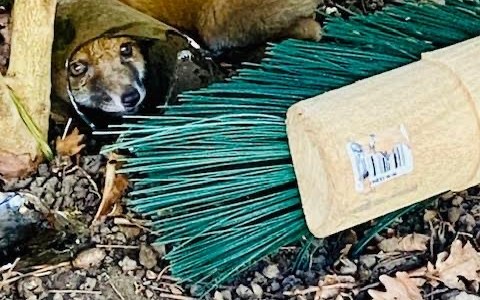
Most of us love South London’s wildlife. Most of us don’t realise what our rubbish is doing to it.
South London is home to an incredible variety of wildlife. Foxes threading through back gardens, hedgehogs in the undergrowth, birds nesting in parks we walk through every day. Most of us love having them around. What most of us do not realise is how much our everyday habits put them at risk.
A plastic six-pack ring can strangle a bird. A fragment of broken glass can fatally wound a fox or deer crossing your local green. A discarded chicken bone can kill a family dog. And a crisp packet, harmless as it seems, can choke an animal before anyone even notices it is there. We are seeing this increasingly across the country.
If you find an injured animal, call the RSPCA immediately
RSPCA inspectors respond to thousands of callouts every year to rescue stricken wildlife, or to collect the bodies of animals that did not make it. The cause, far too often, is the rubbish we generate and fail to manage responsibly.
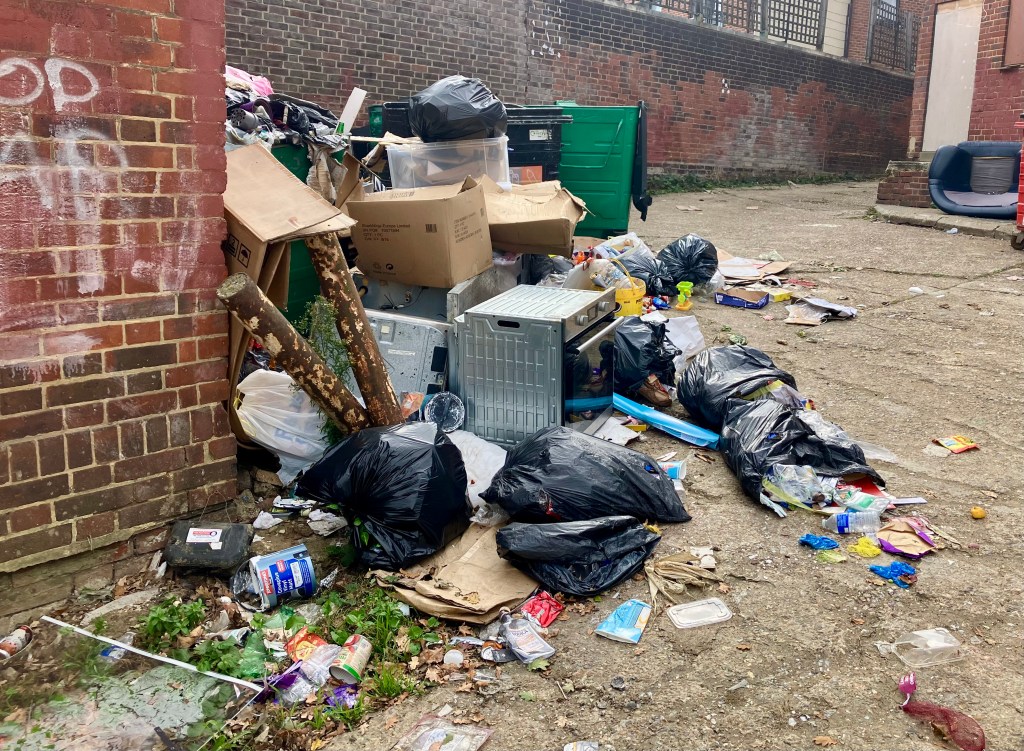
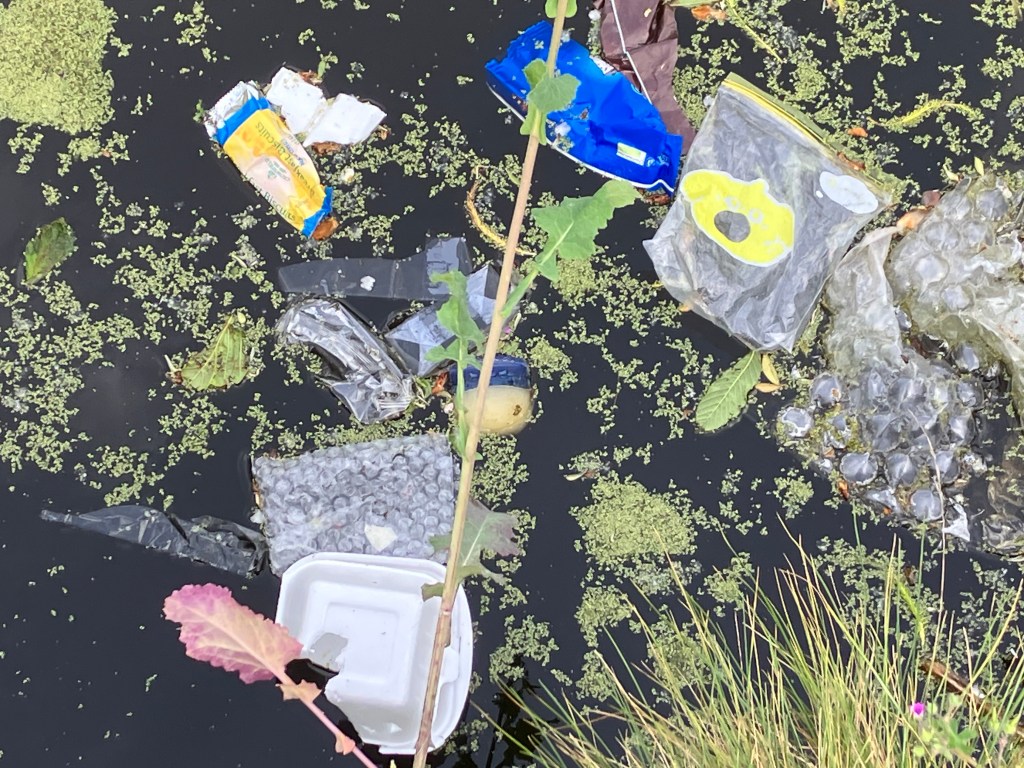
Here in South London, the evidence is on our own doorstep. Plastic sheeting has been found dumped next to a hedgehog habitat in Stambourne Woods. An ancient duck pond in our area is struggling under a creeping tide of plastic. And fly-tipped waste is drawing infestations of disease-carrying rats and mice into spaces our children play in and our wildlife calls home.
This is not someone else’s problem.
It is ours.
If every person in South London made one small change, the impact on our local wildlife would be enormous. Here are some reminders to help keep the levels of rubbish down and the wildlife thriving – please do take a moment to read through them – because we all need reminders every now and then.
Tips for keeping South London wildlife safe
At home
- Always close your bin lid fully before collection day. If it won’t close, use an extra bag or wait for the next collection rather than leaving rubbish exposed.
- Cut up plastic rings from cans and bottles before binning them. One snip can save a life.
- Never leave bin bags on the pavement overnight. Foxes and rats will have them open within minutes.
Out and about
- If a park bin is full, take your litter home. An overflowing bin is as bad as no bin at all.
- Carry a small bag when walking the dog. It takes seconds to pick up litter as you go.
- Keep a spare bag in your pocket or car for those moments when a bin is nowhere to be found.
In your neighbourhood
- If you spot a fly-tip, report it to your local council. It takes two minutes and makes a real difference.
- Check green spaces near your home for hazards like broken glass, fishing wire or plastic sheeting before letting children or dogs near them.
- If you find an injured animal, call the RSPCA on 0300 1234 999 immediately.
RSPCA South London works every day to protect the animals that share this city with us. Supporting the charity means more inspectors on the ground, more rescues completed, and more of the wild South London we all love preserved for the next generation.
Because this neighbourhood belongs to all of us, feathers, fur and all.
Written by Will Linsdell, former Chairperson of RSPCA South London and a familiar face in the community. Will recently stood as a councillor candidate in the area. He narrowly missed out, but it was close enough to suggest he is very much a name to watch. Follow him to stay across the work he is doing locally. Watch this space.